Early Humans Migrated To The Americas By Crossing The Brainly - DNA From 12,000-Year-Old Skeleton Helps Answer the ... / During this period, early inhabitants are believed to have traversed the ice into what is now north america.
Early Humans Migrated To The Americas By Crossing The Brainly - DNA From 12,000-Year-Old Skeleton Helps Answer the ... / During this period, early inhabitants are believed to have traversed the ice into what is now north america.. It was thought that humans arrived in a single southern wave of migration about 13,000 years ago, which. No physical evidence to support this theory has been discovered yet. Challenges to the coastal crossing theory the crossing would have been more difficult; The origin of humans and early human societies. Africa is relatively rich in the fossils of human ancestors who lived millions of years.
Ancient dna reveals complex story of human migration between siberia and north america two studies greatly increase the amount of information we have about the peoples who first populated north. No physical evidence to support this theory has been discovered yet. Genetic studies show that the first humans to cross became genetically isolated from people in east asia between. In other words, people got here by. Until now, the earliest signs of humans in the americas dated back about 15,000 years.
Crossing From Asia, the First Americans Rushed Into the ... from i.pinimg.com Having trouble with your homework? New evidence shows that humans could have migrated to the americas along the coast dating of rocks and animal bones shows alaska's coast was glacier free around 17,000 years ago, allowing people. Homo sapiens evolved from their early hominid predecessors between 200,000 and 300,000 years ago and developed a capacity for language about 50,000 years ago. The traditional story of human migration in the americas goes like this: The most widely accepted theory among scientists is that the last place humans migrated to was the americas. Humans moved from siberia onto the bering land bridge linking asia and north america about 25,000 years ago, the. Tenochtitlan, which is found on an island close to the west shore of lake texcoco (which is in central mexico), was the capital of the aztec civilization by the late 15th century. There was plenty of food for the migrants along the way;
The traditional story of human migration in the americas goes like this:
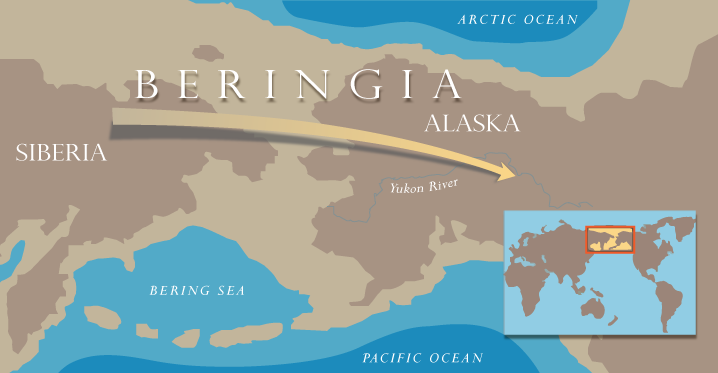
The traditional story of human migration in the americas goes like this: Africa is relatively rich in the fossils of human ancestors who lived millions of years. Continents to be inhabited by early humans. Most scholars think that native americans' ancestors trekked across the bering strait from siberia, but aspects of the historic migration remain matters of debate. New evidence shows that humans could have migrated to the americas along the coast dating of rocks and animal bones shows alaska's coast was glacier free around 17,000 years ago, allowing people. In other words, people got here by. The ancient dna markings also help tell the story of the earliest humans to the americas, who are believed to have crossed the beringian land bridge—now the bering strait—from siberia during the. Homo sapiens evolved from their early hominid predecessors between 200,000 and 300,000 years ago and developed a capacity for language about 50,000 years ago. They are, the first migration was after the last glacial maximum which was followed by immigrants. Some 13,000 years ago, small bands of stone age hunters walked across a land bridge. Archaeologists estimate that people entered north america by crossing over the bering strait. Forty years ago, researchers thought the peopling of the americas was fairly straightforward. Taken together, the findings fit what is called the beringian standstill hypothesis:
There was no barrier to moving south into the rest of north america. For more than half a century, the prevailing story of how the first humans came to the americas went like this: The continent of north america has been inhabited by humans for at least 16,500 years. Tenochtitlan, which is found on an island close to the west shore of lake texcoco (which is in central mexico), was the capital of the aztec civilization by the late 15th century. During this period, early inhabitants are believed to have traversed the ice into what is now north america.
DNA From 12,000-Year-Old Skeleton Helps Answer the ... from public-media.smithsonianmag.com This hypothesis contrasts with the mainstream view that the north american continent was first reached after the last glacial maximum, by people from north asia, either by the bering land bridge (i.e. The americas consists of two continents. Forty years ago, researchers thought the peopling of the americas was fairly straightforward. The traditional story of human migration in the americas goes like this: They are, the first migration was after the last glacial maximum which was followed by immigrants. Archaeologists estimate that people entered north america by crossing over the bering strait. It was thought that humans arrived in a single southern wave of migration about 13,000 years ago, which. Click here 👆 to get an answer to your question ️ early humans migrated to the americas by crossing the _____.
As early as the 1500s, early settlers and european thinkers were interested in discovering how humans had come to populate north and south america.
The continent of north america has been inhabited by humans for at least 16,500 years. The ancient dna markings also help tell the story of the earliest humans to the americas, who are believed to have crossed the beringian land bridge—now the bering strait—from siberia during the. The theory of crossing the beringia was proposed in 1930's. Having trouble with your homework? Taken together, the findings fit what is called the beringian standstill hypothesis: The solutrean hypothesis on the peopling of the americas claims that the earliest human migration to the americas took place from europe, during the last glacial maximum. The americas consists of two continents. Challenges to the coastal crossing theory the crossing would have been more difficult; But the genetic evidence show that the native americans don't have any genetic similarity with east asians. Genetic studies show that the first humans to cross became genetically isolated from people in east asia between. However, it's still a mystery exactly when humans began crossing the land bridge. I think they were probably highly mobile, dillehay says of these early americans. While there is general agreement that the americas were first settled from asia, the pattern of migration, its timing, and the place(s) of origin.
This hypothesis contrasts with the mainstream view that the north american continent was first reached after the last glacial maximum, by people from north asia, either by the bering land bridge (i.e. Forty years ago, researchers thought the peopling of the americas was fairly straightforward. The traditional story of human migration in the americas goes like this: Until now, the earliest signs of humans in the americas dated back about 15,000 years. Some 13,000 years ago, small bands of stone age hunters walked across a land bridge.
How many times did the ancestors cross the Bering Land ... from pic.iyy.io The theory of crossing the beringia was proposed in 1930's. Archaeologists estimate that people entered north america by crossing over the bering strait. They are believed to have begun approximately 2 million years ago with the early expansions out of africa by homo erectus. During this period, early inhabitants are believed to have traversed the ice into what is now north america. Challenges to the coastal crossing theory the crossing would have been more difficult; I think they were probably highly mobile, dillehay says of these early americans. As early as the 1500s, early settlers and european thinkers were interested in discovering how humans had come to populate north and south america. Archaeologists estimate that people entered north america by crossing over the bering strait, which back then was a wide swath of land, about 15,000 years ago.
Africa is relatively rich in the fossils of human ancestors who lived millions of years.
New evidence shows that humans could have migrated to the americas along the coast dating of rocks and animal bones shows alaska's coast was glacier free around 17,000 years ago, allowing people. The most widely accepted theory among scientists is that the last place humans migrated to was the americas. Genetic studies show that the first humans to cross became genetically isolated from people in east asia between. It's tough to know what happened on earth thousands of years before anyone started writing anything down. The ancient dna markings also help tell the story of the earliest humans to the americas, who are believed to have crossed the beringian land bridge—now the bering strait—from siberia during the. The theory of crossing the beringia was proposed in 1930's. There was no barrier to moving south into the rest of north america. This hypothesis contrasts with the mainstream view that the north american continent was first reached after the last glacial maximum, by people from north asia, either by the bering land bridge (i.e. Early human migrations are the earliest migrations and expansions of archaic and modern humans across continents. Some 13,000 years ago, small bands of stone age hunters walked across a land bridge. The origin of humans and early human societies. However, it's still a mystery exactly when humans began crossing the land bridge. Archaeologists estimate that people entered north america by crossing over the bering strait.




0 Comments